Rugby helmet sales
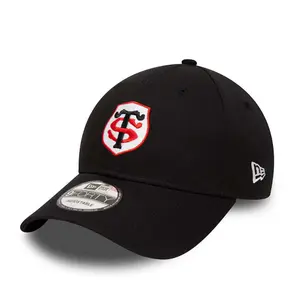
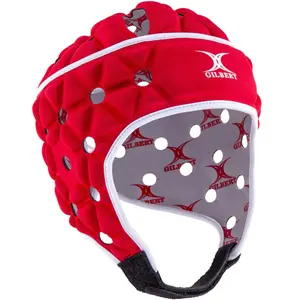
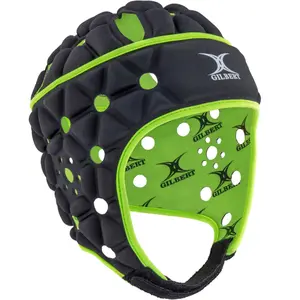
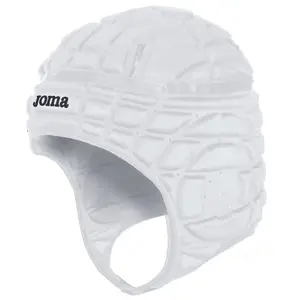
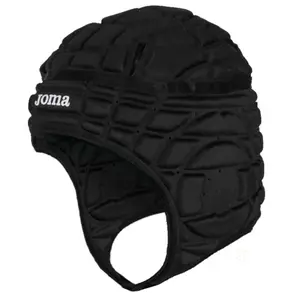
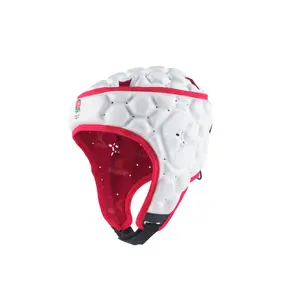
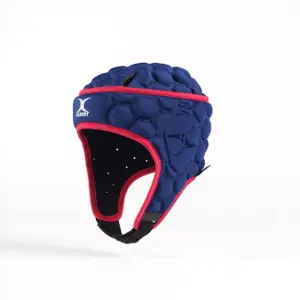
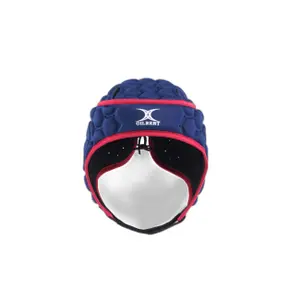

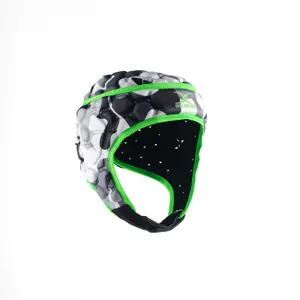
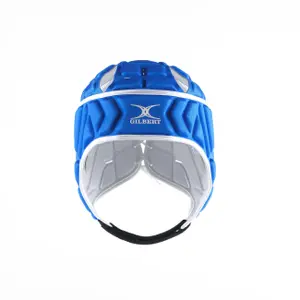
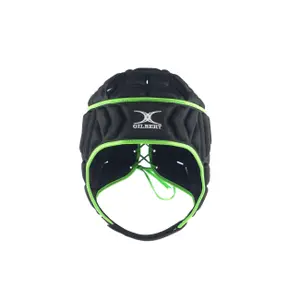
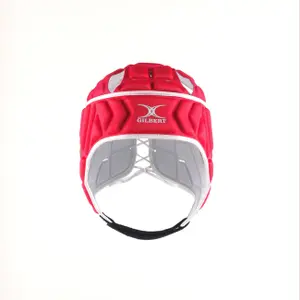
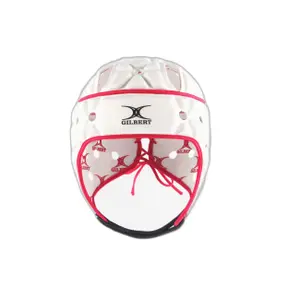
This selection of rugby helmets on sale features models approved by World Rugby for adults and children: Gilbert Air, Octane and XP 250, Canterbury helmets and Joma. Light and airy for basic protection, or more enveloping for forwards exposed in scrums, each helmet comes with our size and fitting advice.
Protect your head at a reduced price.
Gilbert Air, Octane or XP 250: what are the differences
The Gilbert Air, the lightest of the three, focuses on ventilation: it’s suitable for players trying out helmets or those who struggle with heat. The Gilbert Octane layers several foam types for enhanced absorption, featuring internal ventilation channels, an antibacterial lining, and an adjustable rear lacing. The XP 250, available in child sizes and in national colours, has soft hexagonal padding made of closed-cell EVA foam and cut-out ears that allow communication with teammates. All three are World Rugby approved and can be used in both matches and training.
Other equipment
The sales also include:
All the sales on equipment can be found on the equipment sales page.
Measuring head size and adjusting the helmet
The size of a helmet is determined by the head circumference, measured with a flexible tape just above the eyebrows and ears, at the widest point. The measurement is then compared to the brand's guide, without relying on age. A well-fitted helmet doesn't move when shaking the head; the lacing at the back refines the fit, and the chin strap is adjusted to allow a finger to fit under the chin. If it’s too loose, it will slip over the eyes at first contact; if too tight, it will compress the temples and become uncomfortable by the end of the match. For children, the measurement should be taken each year, as head size changes with growth.
What a helmet protects and what it doesn’t
The rugby helmet, often called a scrum cap, primarily protects the scalp and ears from cuts, abrasions, and cauliflower ear, which is common among forwards. Its foams, soft and limited to about ten millimetres by regulations, are not designed to prevent concussions, and no soft helmet can guarantee this. This is why hookers, props, and second rows are its biggest users, while many backs play without a helmet. Taking advantage of sales to equip a young forward is a sensible choice, as long as the helmet is properly adjusted.
Other good deals
Great deals can also be found in good deals, clearance sales, and Black Friday. The new arrivals showcase the latest collections. The highlight events of the year follow a stable order: Black Friday at the end of autumn, the holiday season, the winter sales, the French Days in spring, followed by the summer sales and back-to-school season.
Frequently asked questions
Is a helmet mandatory at rugby school?
No, it remains optional at all ages, including for the youngest. However, it reassures some children and protects their ears during their first scrums, provided it is certified and properly adjusted.
How do you wash a rugby helmet?
Remove mud with a damp sponge, then clean the inside with lukewarm soapy water before rinsing. Dry it in open air, never on a radiator, which hardens and deforms the foams.
What helmet for a prop or hooker?
Front-row players prefer a snug helmet that fully covers the ears and stays in place during scrummaging. A model with multiple layers of foam, like the Octane, is well-suited for these repeated impacts.
How long does a rugby helmet last?
As long as the foams remain soft and the lacing is secure, a helmet can last several years. As soon as a foam cracks or collapses, or the World Rugby label becomes illegible, it needs to be replaced.
Can an adult helmet fit a teenager?
Yes, if their head circumference matches: sizes are based on measurement, not age. Many teenagers move from a child’s helmet to a small adult size as their head circumference increases.