
Rugby Equipment Sales
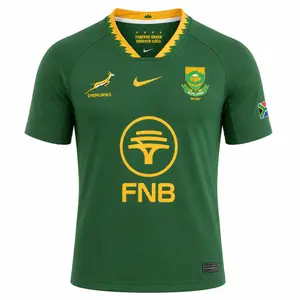

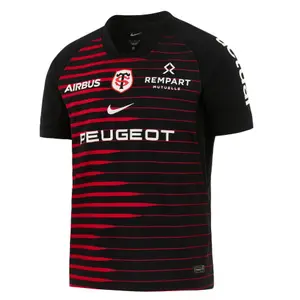

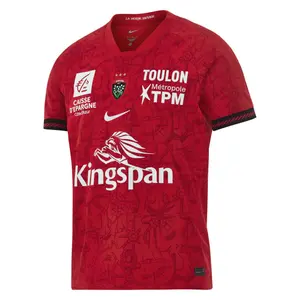



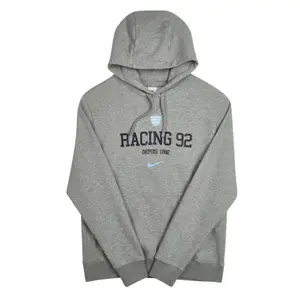
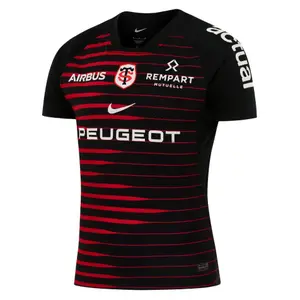
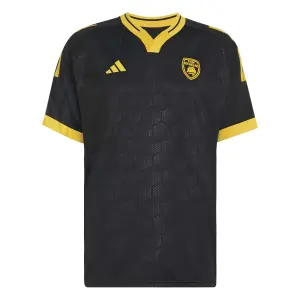
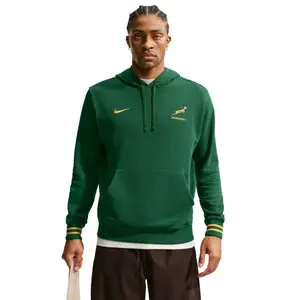
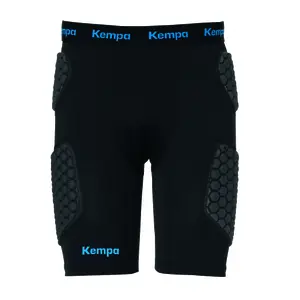


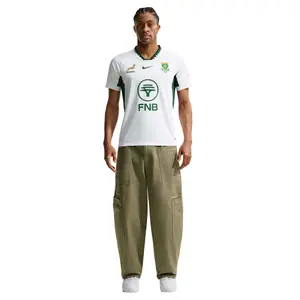
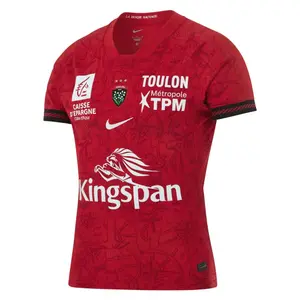
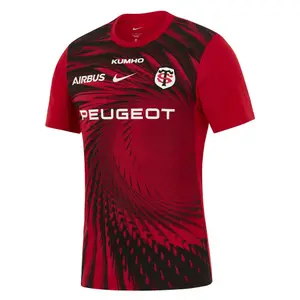
This selection of discounted rugby equipment brings together gear for players and clubs: certified helmets and shoulder pads, mouthguards, protective shorts, match and training balls Gilbert or Sporti. Everything that provides protection during contact and makes a session come alive, chosen for both rugby school children and seniors.
Player equipment at reduced prices.
Helmets and shoulder pads: World Rugby certification
A helmet or shoulder pad can only be worn in a match if it is certified by World Rugby, in accordance with the rules regarding players' equipment. This text limits the thickness of the foams to ten millimetres, with a slight tolerance, and their density to forty-five kilos per cubic metre: the protection must absorb shocks without becoming dangerous for the opponent. A label sewn onto it confirms compliance, and it is this that the referee can check before kick-off. The mouthguard, on the other hand, is strongly recommended from the first contacts, both at rugby school and for adults, as it protects both the teeth and the jaw.
Categories
The discounted equipment comes in:
All the sales are gathered on the sales page.
Training balls: durability and grip
During training, a ball undergoes hundreds of passes, kicks, and falls on hard ground: it needs a strong cover and a durable grip. The Gilbert G-TR4000, commonly found in clubs, combines a three-ply polycotton construction with a patented triangular stud pattern that maintains grip in the rain. The training ball Sporti is used for introductory workshops, while the Sporti Soft'rugby, made of foam, allows play in the gym or yard without fearing impacts. For youngsters, the size follows their age: size three for the youngest, four up to around fourteen years, five thereafter.
When to renew your protective gear
Protective gear wears out faster than you think. A helmet with compressed or cracked foam no longer serves its purpose against friction; a shoulder pad that has become too small leaves the collarbone exposed after a growth spurt. A deformed or chewed mouthguard should be replaced immediately, especially for children, whose teeth change from year to year. Reviewing the equipment at the end of competitions, then buying what needs to be replaced during sales, ensures you're ready for the return with correctly sized and good condition gear.
Other good deals
Good deals can also be found in good deals, clearance, Black Friday. The new arrivals showcase the latest collections. The year's highlights follow a stable order: the Black Friday in late autumn, the holiday season, the winter sales, the French Days in spring, then the summer sales and back-to-school.
Frequently asked questions
Is a rugby helmet mandatory?
No, the helmet remains optional in rugby, for both youngsters and adults. If worn in a match, it must however be certified by World Rugby and display the corresponding label.
Which protection should be prioritized for a child?
The mouthguard comes first: it protects the teeth and limits shocks to the jaw during contacts. The helmet and shoulder pad come next, depending on the position played and the child’s confidence.
How to inflate a rugby ball?
Moisten the needle before inserting it into the valve, to avoid damaging the membrane, then inflate to the pressure indicated near it. An over-inflated ball will bounce unpredictably and wear out faster.
How to store your gear after a match?
Empty the bag as soon as you get back: helmet, shoulder pad, and mouthguard should dry in the open air, away from a heat source. Rinsing the mouthguard with cold water and washing the shoulder pad, if the label allows, prevents odours.
What is the purpose of protective shorts?
They are worn under the match shorts and have foam padding on the thighs and hips that cushions tackles and falls. Their compressive fit also supports the muscles during exertion.







