
Rugby news
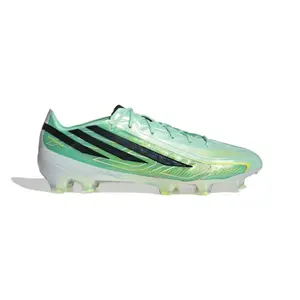
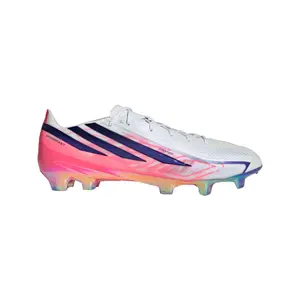
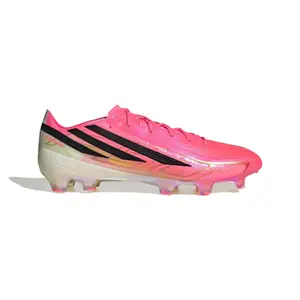
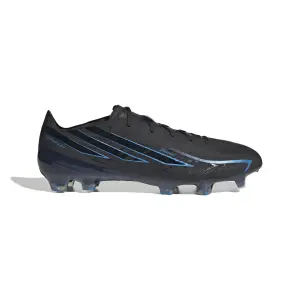
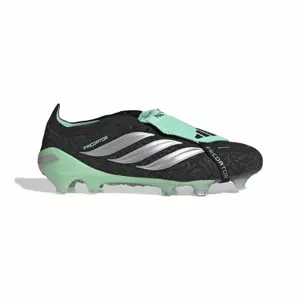
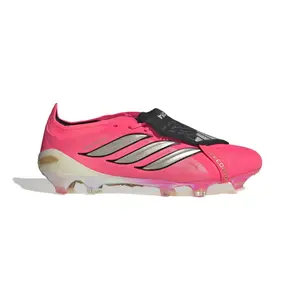

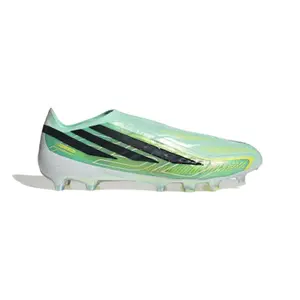
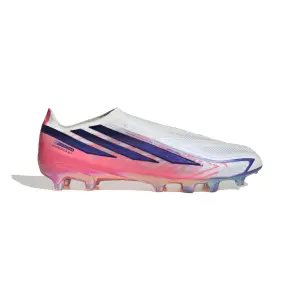
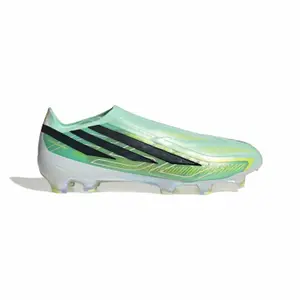
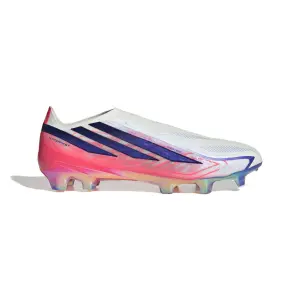
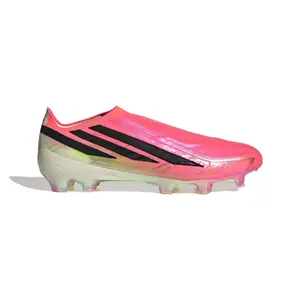
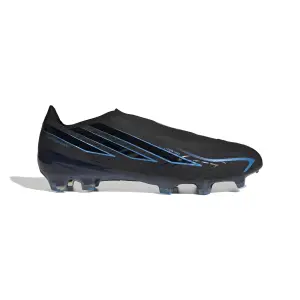
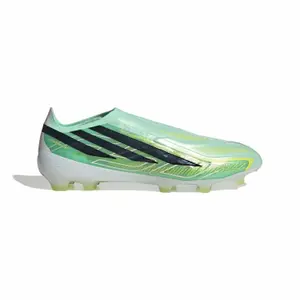
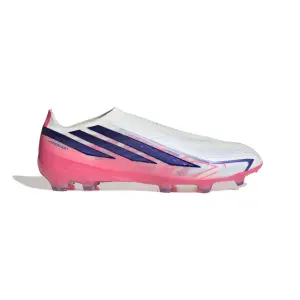

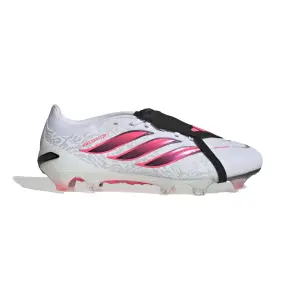
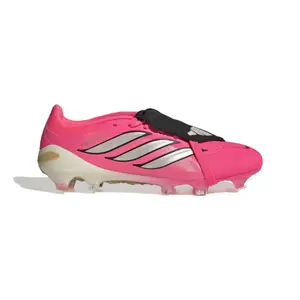

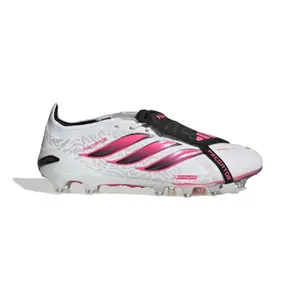
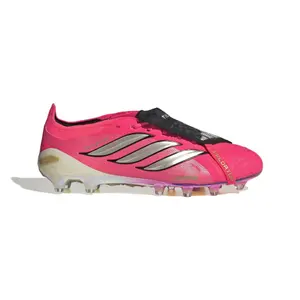
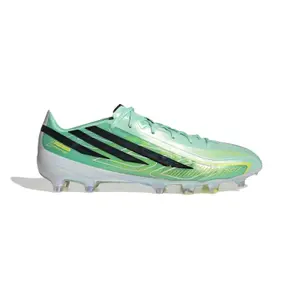
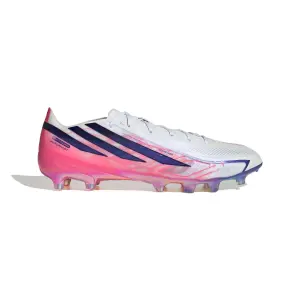
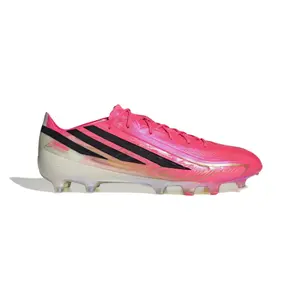
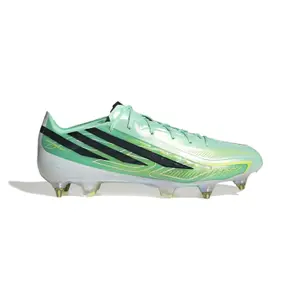
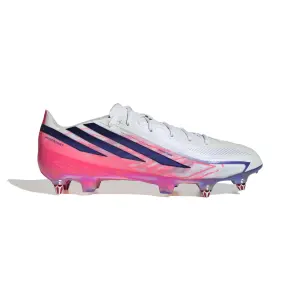
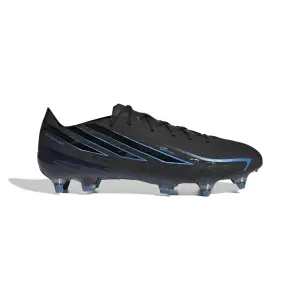
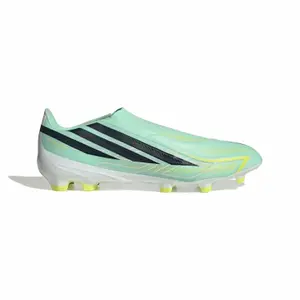
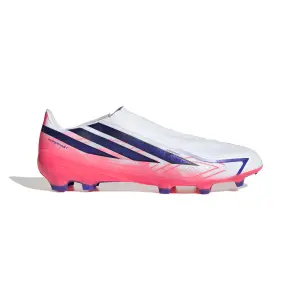
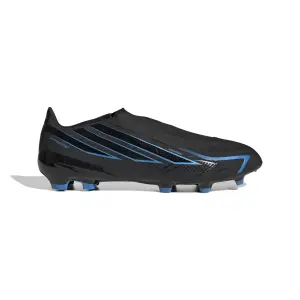
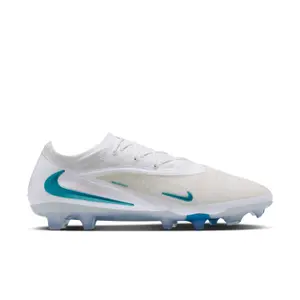


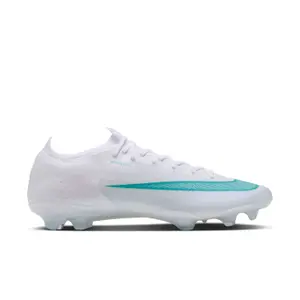


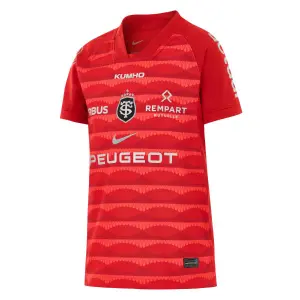
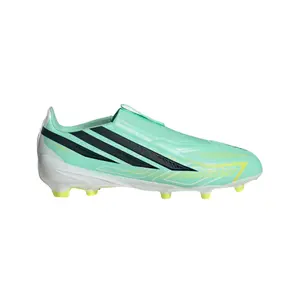
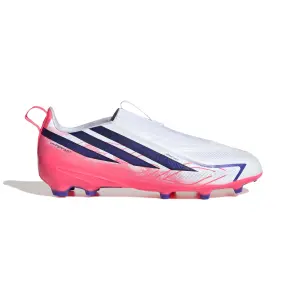

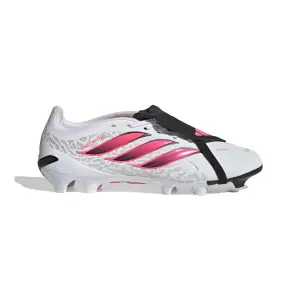
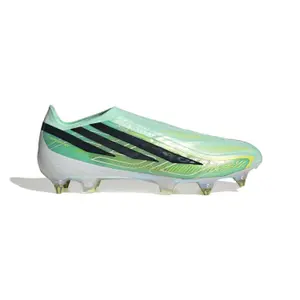

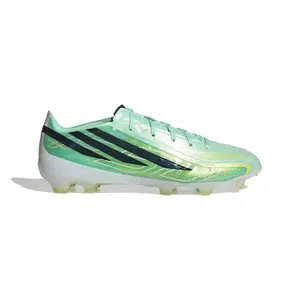
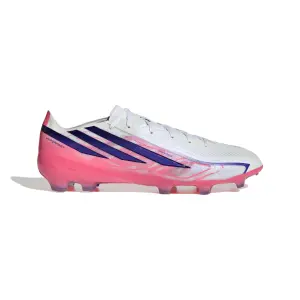
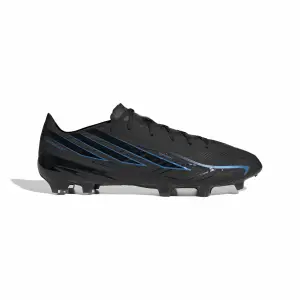
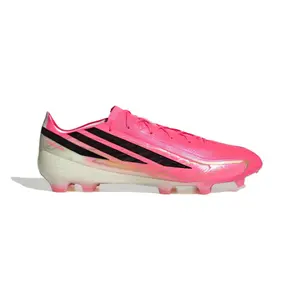

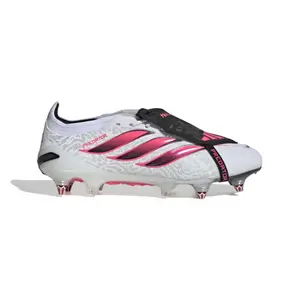
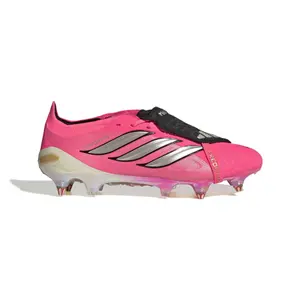


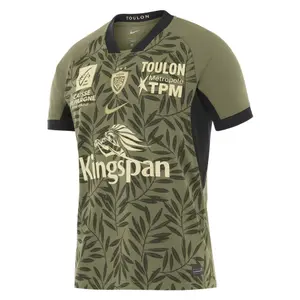
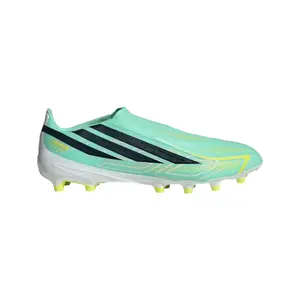
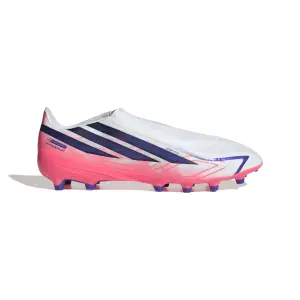
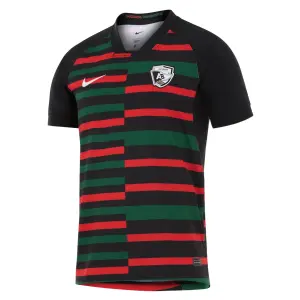
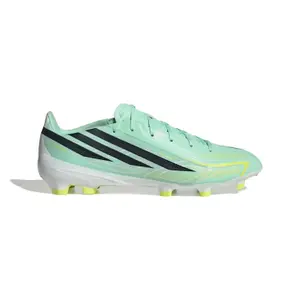


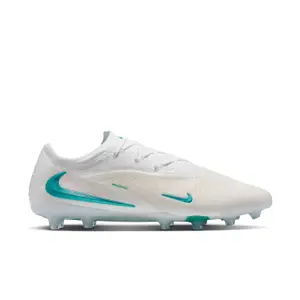


Our New Arrivals page brings together the latest rugby products added to the catalogue: home and away kits from clubs and nations, studded boots, protective gear, and training outfits. It allows you to keep track of the release schedule, from shirts revealed before the start of the league to outfits prepared for international tests.
The latest rugby collections.
When do the new rugby shirts come out?
The schedule for club shirts follows that of the championship: most teams in the Top 14 and Pro D2 unveil their home kit during the summer, a few weeks before the season starts at the end of August, then the away shirt and sometimes a third kit. National teams have a different rhythm: a new shirt often appears before the Six Nations Tournament, held every year in February and March, or before the November tests. In World Cup years, manufacturers prepare specific kits, presented several months before the competition. Special editions arrive throughout the year, coinciding with anniversaries and high-profile matches.
The Universes
The new products can be found in:
The major events of the year are gathered on the World Cup page.
Home, away, third: the role of each kit
The home shirt retains the historic colours of the club or nation: its design may change, but its identity remains. The away shirt primarily addresses a need to avoid confusion between two teams with similar colours, which gives designers a lot of freedom. The third kit, or third, and sometimes a fourth, are used for relocated matches, European fixtures, or tributes. With each new model, the cut may evolve: lighter fabric, redesigned collar, stretch inserts. For the player version, fitted like the on-field kit, it’s important to refer to the size guide even if one is familiar with the previous model.
Shoes and protection: what changes from one model to another
Rugby shoes evolve with subtle changes: lighter soles, reinforced sides for forwards, hollow or repositioned studs for backs. The regulatory framework remains stable: the studs must not exceed twenty-one millimetres in length according to World Rugby rule twelve, which also governs protection equipment. A helmet, shoulder pads, or a top with integrated protection worn during matches must comply with this regulation, as indicated by a marking on the product. Before adopting a new pair, it's best to wear them during a few training sessions to allow the upper to adapt, rather than trying them out on match day.
Other good deals
Great finds can also be found in good deals, sales, clearance, Black Friday. The new arrivals showcase the latest collections. The highlights of the year follow a consistent order: Black Friday in late autumn, the holiday season, the winter sales, the French Days of spring, followed by the summer sales and back to school.
Frequently asked questions
Is a shirt from the previous year still official?
Yes, it remains a licensed product of the club or federation, simply replaced by a new design. The materials and finishes are of the same level, and many supporters collect the successive kits of their team.
How can you recognize an official rugby shirt?
It bears the crest of the club or federation and the logo of the manufacturer, with an internal label indicating the reference and composition. Seams, prints, and fabric quality are much more refined than on a counterfeit.
How should a new shirt be cared for to last?
Wash it inside out, at thirty degrees, without fabric softener, then dry it flat or on a hanger, away from a radiator. Thermo-pressed emblems and prints do not handle tumble drying and direct ironing well.
Do the new rugby shoes fit like the previous ones?
Not always: a new shape or a slimmer upper can change the fit by half a size. Compare the length of the foot, measured at the end of the day, with the brand's size chart, and try them on with match socks.
Are the new shirts available in children's sizes?
Most home shirts from major clubs and nations are available in children's sizes. These sizes are often indicated by age, with a corresponding measurement in centimetres that is best checked before ordering.







