France, the Blues in the World Cup
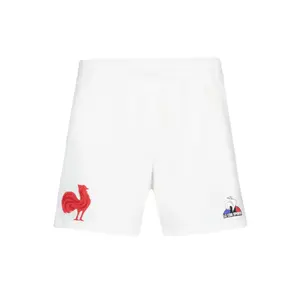
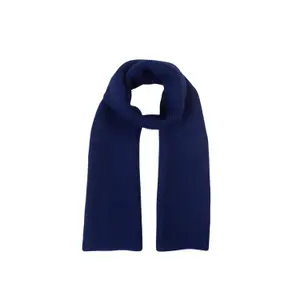
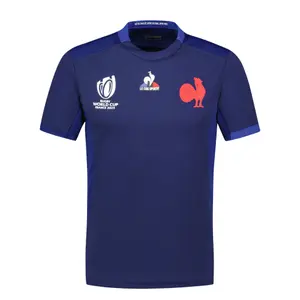
Our France page brings together the products from XV de France related to the Rugby World Cup held in the Hexagon: official scarf, jacquard scarf with a woven pattern, and home white shorts designed for the fans. It is aimed at the Bleu supporters who want to keep a record of this edition, with the story of the French team in the competition since 1987.
The blue of the rooster, three times in the final.
The finals of 1987, 1999 and 2011
France reached the final in the very first edition, in 1987, after a semi-final victory of 30 to 24 in Sydney against Australia, before losing 29 to 9 against the All Blacks in Auckland. In 1999, they turned the tables on New Zealand with a 43 to 31 semi-final win at Twickenham, one of the greatest matches in their history, before succumbing to the Wallabies in Cardiff. In 2011, once again in Auckland against the hosts, Thierry Dusautoir's Blues delivered a heroic final and lost only 8 to 7, after a match where they had long been in control.
Other nations
The products of the World Cup are also showcased by nation:
- New Zealand.
- South Africa.
- England.
- Ireland.
- Scotland.
- Wales.
- Italy.
- Australia.
- Fiji.
- Tonga.
- Georgia.
- Romania.
- Portugal.
- Uruguay.
- Namibia.
All nations are brought together on the World Cup nations page.
2007 and 2023: two home World Cups
France hosted the tournament in 2007, with some matches in Wales and Scotland: after losing their opening match to Argentina, the Blues went on to eliminate the All Blacks 20 to 18 in the quarter-finals in Cardiff, before falling to England. In 2023, as the sole host, they kicked off the tournament with a 27 to 13 win over New Zealand at the Stade de France. Led by Antoine Dupont, who made a record recovery from a facial fracture, the Blues were knocked out in the quarter-finals by South Africa, 29 to 28, after a match of rare intensity.
Scarves and home shorts: the colours of the Blues at the stadium
The scarf remains the essential accessory in the stands: the official version of the World Cup showcases the colours of the XV of France, while the jacquard version incorporates its pattern directly into the fabric, for a thicker and more durable finish than printed versions. The home shorts designed for the public reflect the white of the tricolor outfit worn by the Blues in this edition, complete with a blue jersey and red socks. They should be chosen in the usual size for bottoms; a thirty-degree wash, inside out, will preserve the logos and markings.
Good deals
Good bargains can be found in the good deals, sales, clearance, Black Friday. The new arrivals showcase the latest collections. The highlights of the year follow a stable order: Black Friday in late autumn, the year-end holidays, the winter sales, the French Days in spring, followed by the summer sales and the back-to-school season.
Frequently asked questions
Where does the XV of France play at home?
At the Stade de France, in Saint-Denis, since 1998, after decades in Colombes and then at the Parc des Princes. In 2024, due to the Olympic Games, the Blues will exceptionally host in Marseille, Lille and Lyon during the Tournament.
Has France ever been under twenty world champions?
Yes, notably in 2018, at home, then in 2019 and in 2023. The generation crowned in 2018 and 2019 has provided several key players for the XV of France, such as fly-half Romain Ntamack.
Has the French women's team ever played in a World Cup final?
Not yet: their best results are third places, notably in 2014 at home, in 2017 in Ireland, and in the 2021 edition, held in 2022 in New Zealand. They remain one of the top nations in women's rugby.
When did the XV of France achieve its first Grand Slam?
In 1968, in the Five Nations Championship, concluded with a victory in Cardiff against Wales. The Blues have since achieved other Grand Slams, notably in 1977, 1981, and 2022.
Why a rooster on the XV of France jersey?
The Gallic rooster, a national symbol, has been featured on the Blues' kit since the early 20th century. Its status comes from a Latin pun, with gallus referring both to the rooster and the Gallic.