
Shoe sales Puma
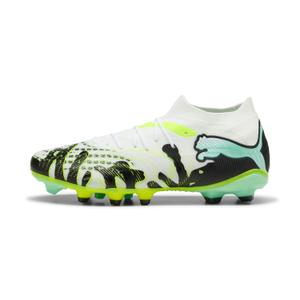
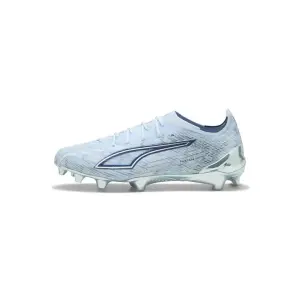
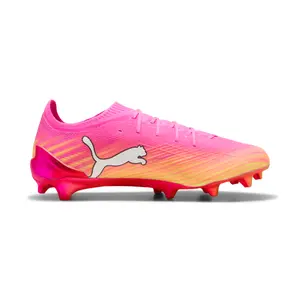
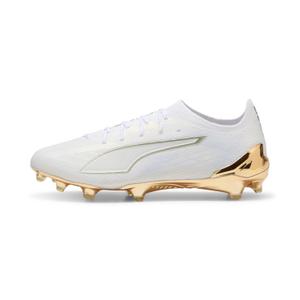
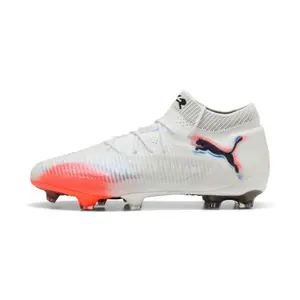
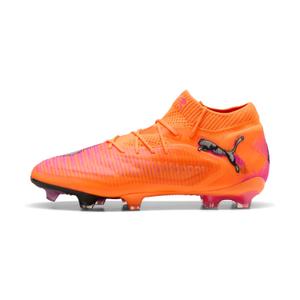
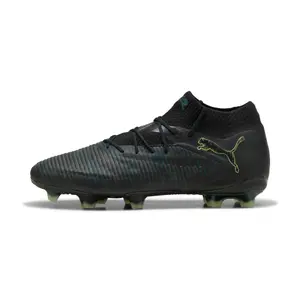
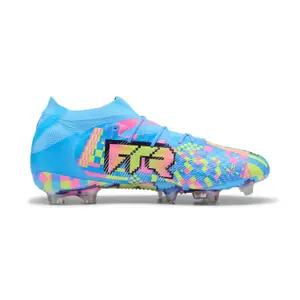
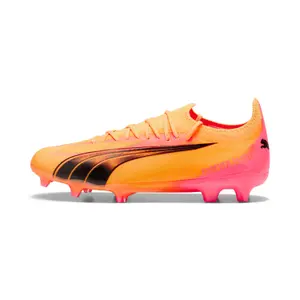
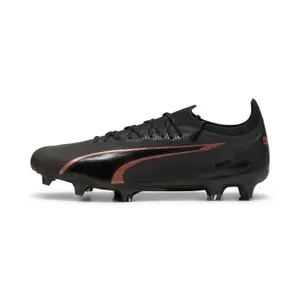
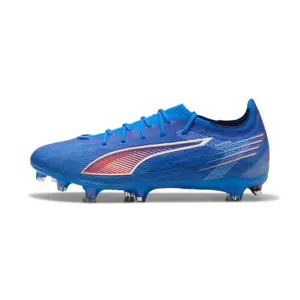
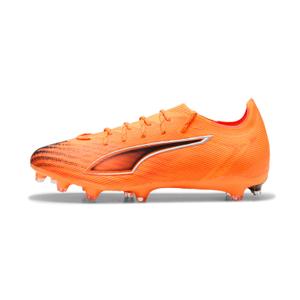
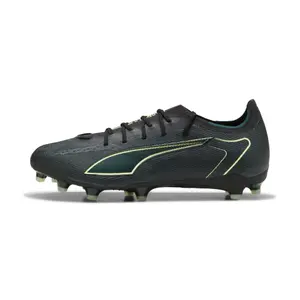
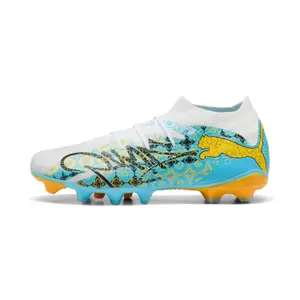
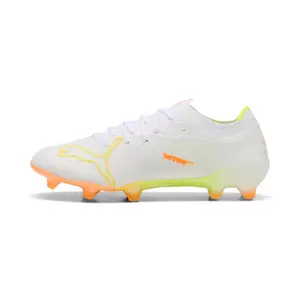
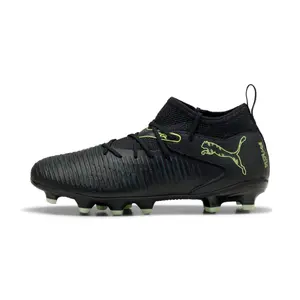
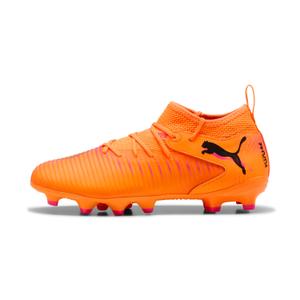
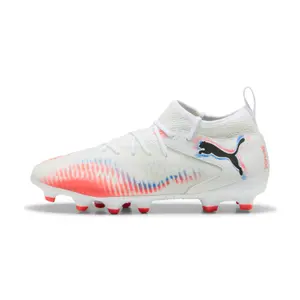
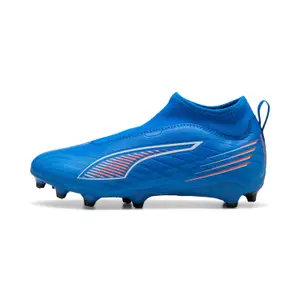
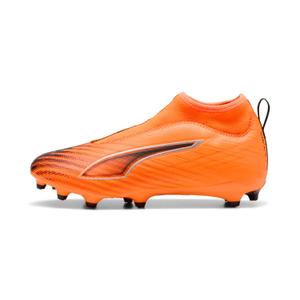
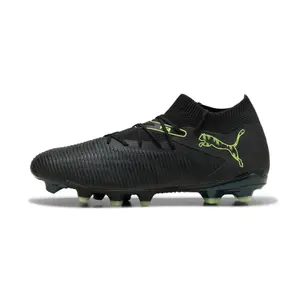
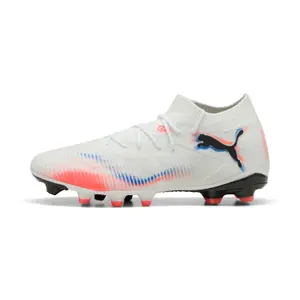
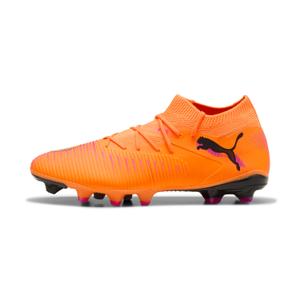
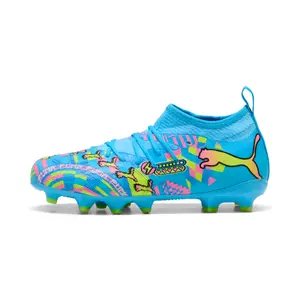
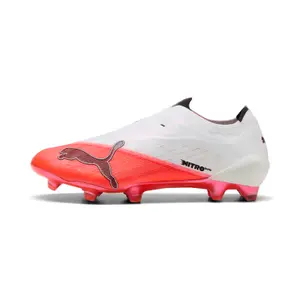
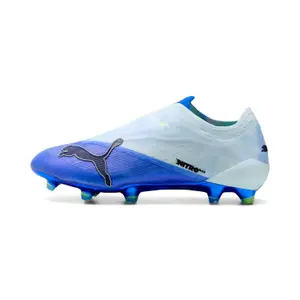
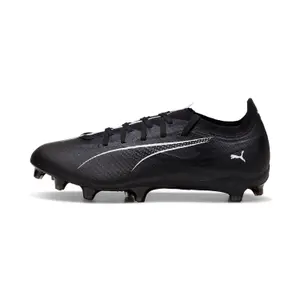
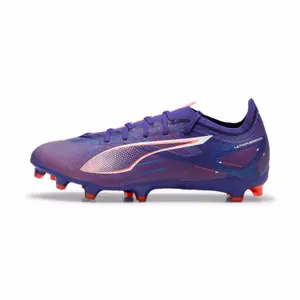
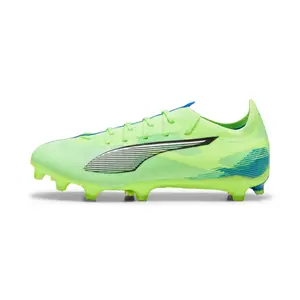
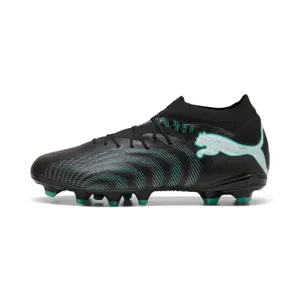
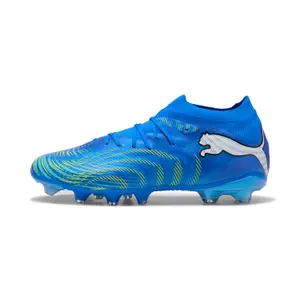
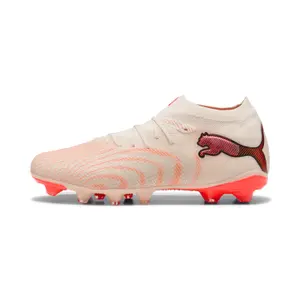
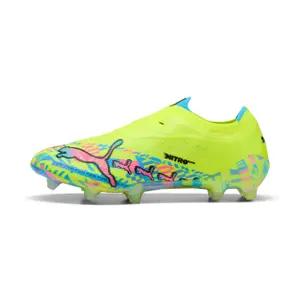
Starting at €240.00
€168.00
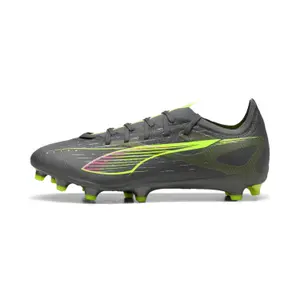
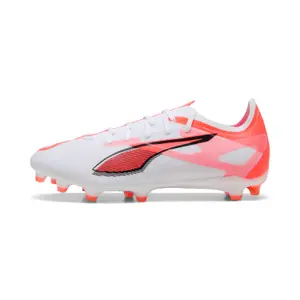
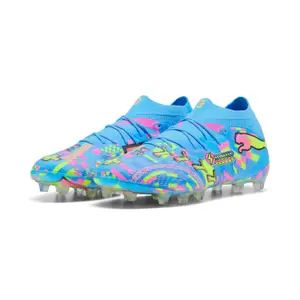
Starting at €240.00
€192.00

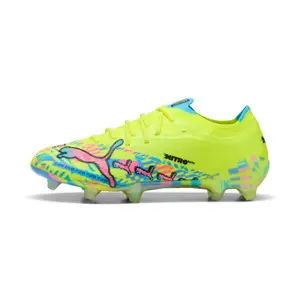


Our Puma sales page offers discounted rugby shoes from the brand with the feline logo, when available. We delve into the history of the brand founded by Rudolf Dassler in Herzogenaurach and its years alongside the Ireland rugby team, and then we provide our tips for choosing sole, support, and size.
The feline at a discount.
Rudolf Dassler and the birth of Puma in 1948
Puma was born in 1948 in Herzogenaurach, a small town in Bavaria, when Rudolf Dassler left the shoe company he ran with his brother to start his own brand. The leaping feline became the emblem of the company, which built its reputation on studded shoes and a tailored fit, favoured by players looking for agility. The company remains based in its town of origin, where its headquarters is still located. In rugby, its shoes have particularly found a place among fast players, who appreciate the finesse of the upper more than the reinforcement.
The other brands
Discounted shoes also come in:
All discounted shoes are gathered on the discounted shoes page.
Puma and the Ireland rugby team, from 2009 to 2014
In rugby, Puma made a name for itself by dressing the Irish: the brand took over after the Irish Grand Slam of 2009 and provided kits for the Ireland team until 2014. That year, Puma decided to withdraw from rugby in Europe, and the Irish federation changed suppliers. The Argentine Pumas, however, have never had a link with the brand: their nickname comes from a journalist who, during a tour in South Africa in 1965, mistook the jaguar featured on the emblem of the Argentine team for a puma. The name has remained, with no connection to the feline from Herzogenaurach.
Choosing a lightweight shoe for backs
The brand's shoes appeal mainly to backs and kickers, who look for a slim upper and a precise fit. For rugby use, you first check the sole: an SG version with screwed studs is essential on the muddy pitches of winter, while a moulded sole is preferred on dry ground. Next, you check the heel support, essential for changes in footing, as well as the durability of the upper, since rucks expose it to stud impacts. Finally, a lightweight shoe should be laced tightly to ensure the foot doesn’t move inside during accelerations and sidesteps.
Other good deals
Good deals can also be found in good deals, clearance, Black Friday. The new arrivals showcase the latest collections. The key events of the year follow a consistent order: Black Friday in late autumn, the end-of-year holidays, the winter sales, the French Days in spring, and then the summer sales and back-to-school period.
Frequently asked questions
Does Puma fit like other brands?
Generally, Puma size corresponds to the usual size. The uppers are often slim and close to the foot: a wider foot should compare the measured length with the brand's size chart before ordering.
What does the side strip on Puma shoes represent?
It’s the Formstrip, which appeared in the late 1950s to reinforce the upper on the side of the foot. Now the brand's graphic signature, it allows you to recognize a Puma from afar, on the field as well as in the stands.
Does a lightweight shoe provide enough protection in rugby?
It offers less reinforcement than a front shoe, but is sufficient for backs, who are less exposed to impacts. It’s important to check that the upper is sturdy enough at the toes and that the heel counter holds the foot well during contacts.
How can you prevent blisters with new shoes?
Wear them first for short sessions, with match socks, to let the upper break in. A preventive bandage on sensitive areas and lacing that’s neither too loose nor too tight can help reduce friction.
Can you wear screwed studs on hard ground?
This is not recommended: on a dry and compact surface, long studs do not penetrate and create pressure points underfoot. It’s better to switch to shorter studs or a moulded sole, which are more comfortable and stable.







