
Studded shoes New Balance
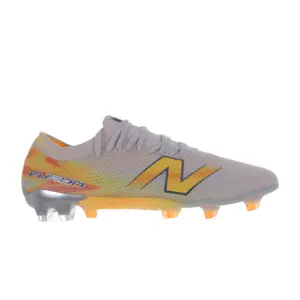
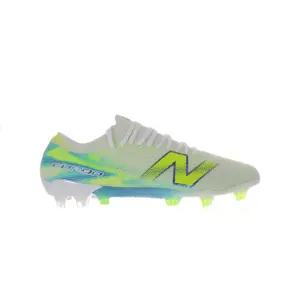
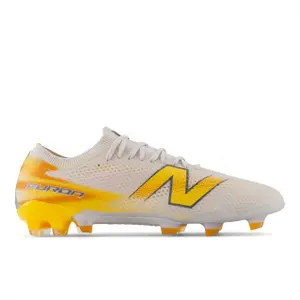
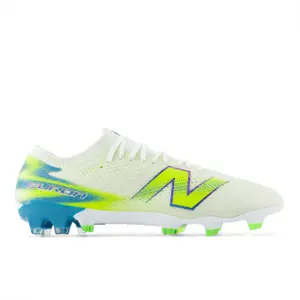
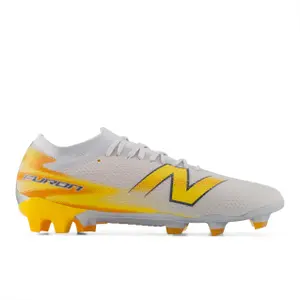
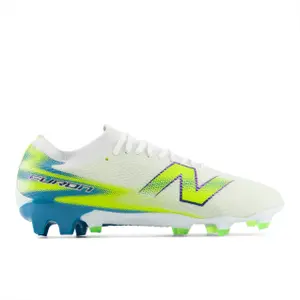
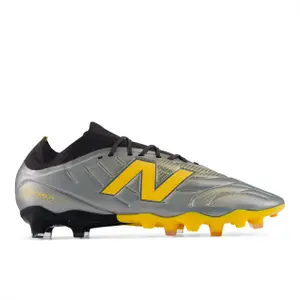
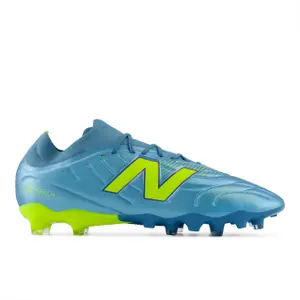

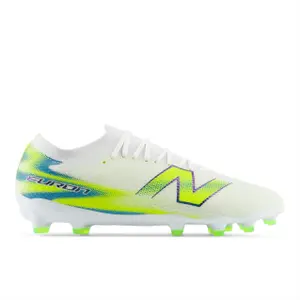


Our selection of New Balance brings together the studded shoes from the Boston brand, which entered the field in 2015 with two philosophies: the Furon, designed for speed, and the Tekela, made for support and control. They especially appeal to backs, wingers, and half-backs. Our guides help you choose the range, level, sole, and size for rugby.
Boston, on the field.
New Balance, from the insole to the studs
New Balance was born in 1906 in Boston, when William J. Riley made arch supports aimed at helping people who stand all day. From this orthopedic background, the brand has kept one obsession: the fit, offering different widths in its running models. Becoming a reference in running, it entered the stud shoe market in February 2015. This focus on support and comfort is reflected in its current models, appreciated by players who find some shoes too narrow at the front.
The New Balance ranges
The New Balance shoes come in:
All shoes are available on the shoes page.
Furon or Tekela: which range for your position
The choice mainly depends on your style of play. The Furon, available since its launch in 2015, is the speed shoe: slim upper, light weight, and responsive sole for wingers and backs playing on straight runs. The Tekela, introduced in 2018, wraps the foot more and enhances stability during changes of direction: it suits half-backs, centres, and players who kick a lot. In both families, there are three levels: Elite for maximum lightness, Pro for a very close compromise, and Team for training and juniors.
FG and MG soles and rugby use
The New Balance models mainly feature FG soles, with moulded studs for dry natural grass, and MG, for Multi Ground, with shorter studs suitable for both grass and synthetic turf. These moulded soles distribute weight well and are suitable for backs, training, and early or late season matches. However, on soft ground, they lack grip. To be allowed in matches, a stud must comply with World Rugby regulations: rounded, with no sharp edges or burrs, and no longer than twenty-one millimetres. Forwards, who bear the push in scrums, prefer screw-in rugby shoes.
Good deals
Great deals can be found in the good deals, promotions, clearances, sales, and Black Friday. The new arrivals showcase the latest models. The key times of the year follow a stable order: Black Friday in late autumn, the end-of-year festivities, winter sales, French Days in spring, then summer sales and the back-to-school season.
Frequently asked questions
Are New Balance shoes suitable for rugby?
Yes for backs, wingers, and halves, on dry or synthetic pitches, thanks to their lightness and comfortable fit. For scrums or muddy pitches, a screw-in sole is safer.
Does New Balance have a wide fit?
The brand is known for a generous fit, a legacy of its origins in arch supports. Its studded models remain fitted, but many players with wider feet find them more comfortable than very narrow shoes.
What’s the difference between Elite, Pro, and Team in New Balance?
The Elite offers the slimmest upper and the most responsive sole, while the Pro is similar with somewhat simpler materials. The Team, thicker and sturdier, is suitable for training, tighter budgets, and junior players.
What does MG mean on a New Balance shoe?
MG stands for Multi Ground: a sole with shorter moulded studs, designed to transition from natural grass to synthetic turf. It is suitable for clubs that alternate both surfaces during training.
Does New Balance offer models for children?
Yes, the Furon and Tekela are available in Team versions in children’s sizes with FG soles. Lightweight and flexible, they are suitable for rugby school on dry grass before potentially moving on to screw-in studs.







